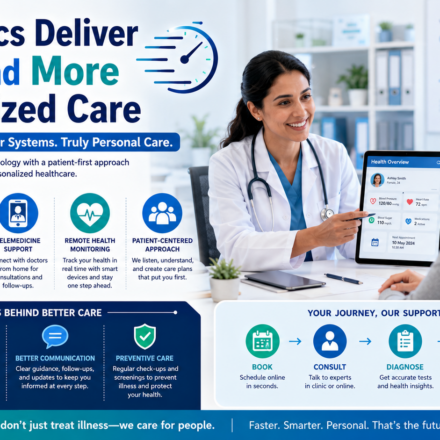







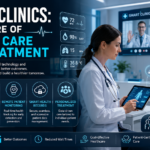










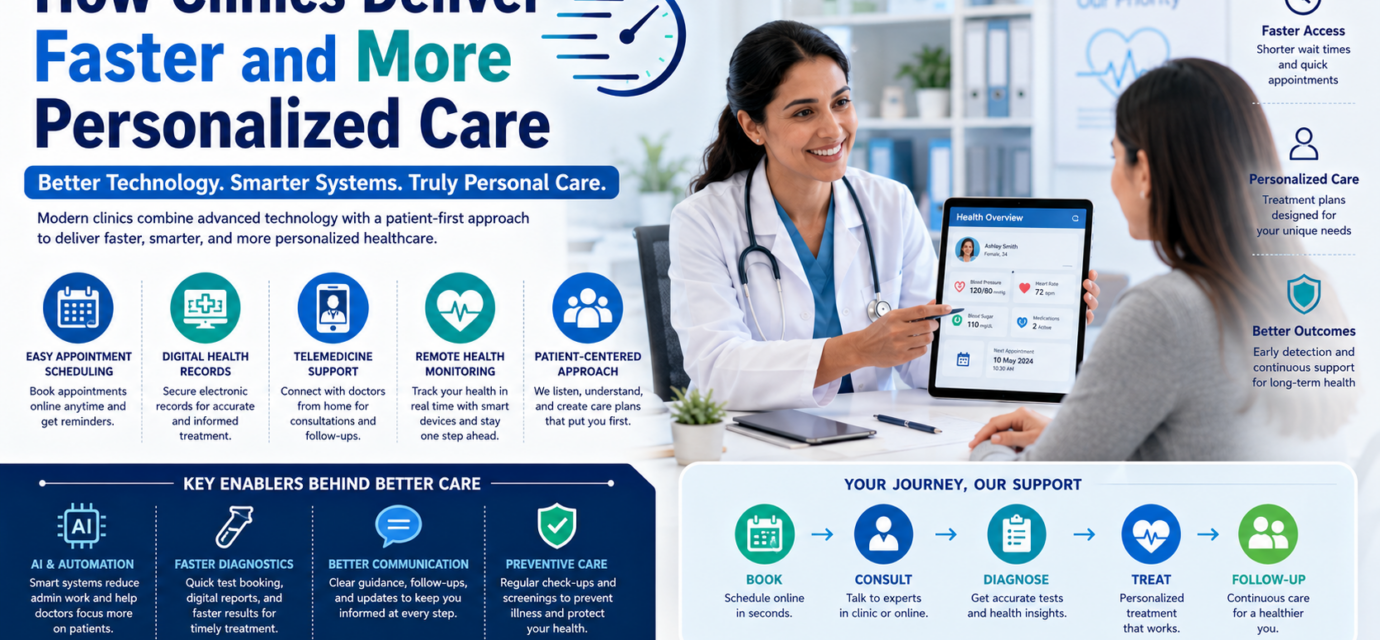

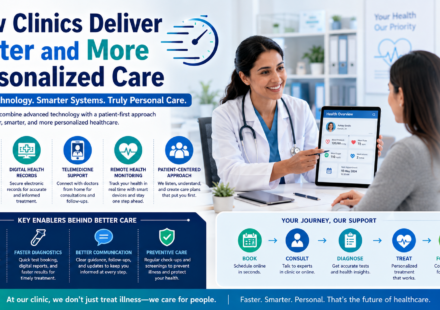
How Clinics Deliver Faster and More Personalized Care
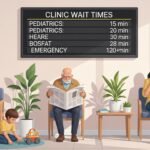
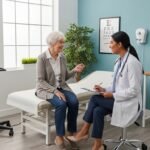
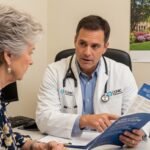
Modern healthcare clinics are changing the way patients experience medical care. In the past, many patients expected long waiting times, repeated paperwork, rushed consultations, and general treatment plans. Today, clinics are using better systems,…
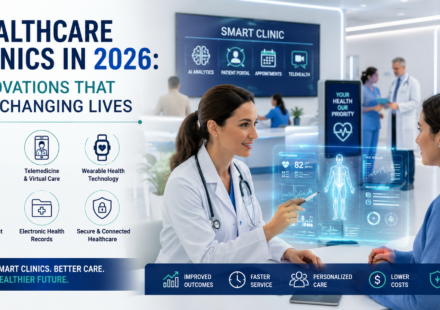
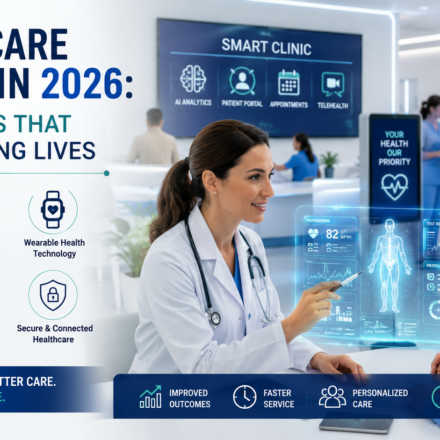
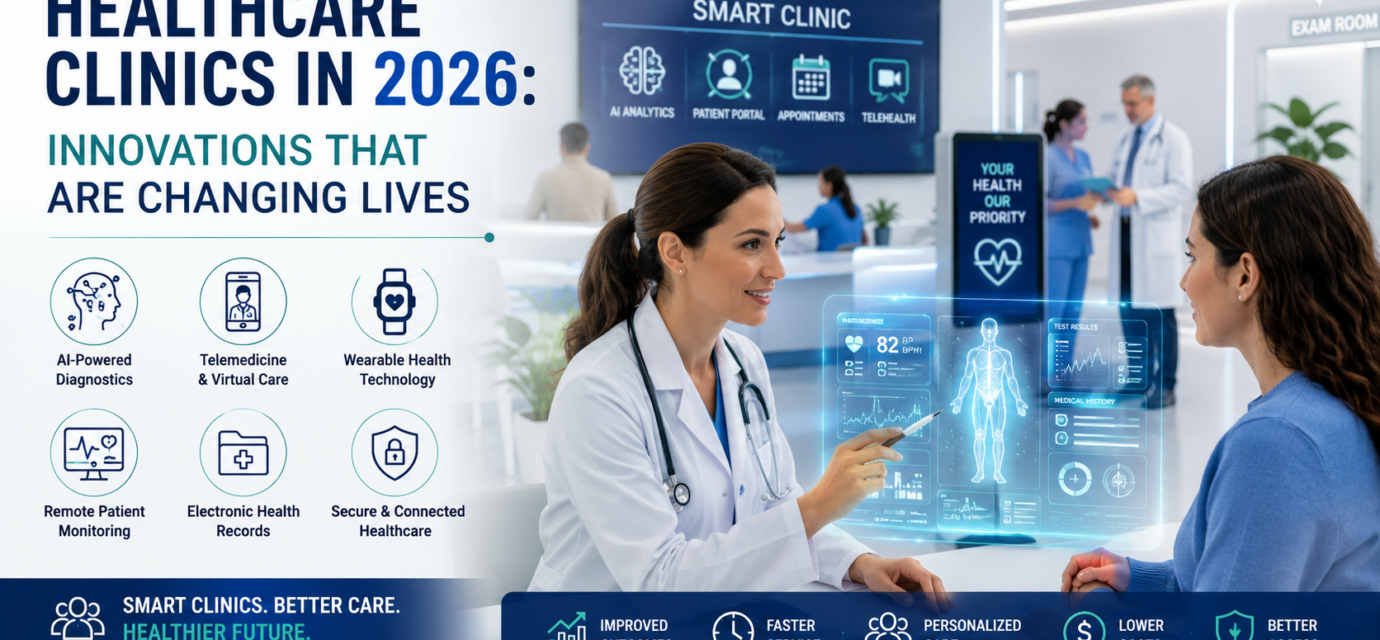
Healthcare Clinics in 2026: Innovations That Are Changing Lives
Healthcare clinics in 2026 are no longer just places where patients visit when they feel sick. They are becoming smarter, faster, more connected, and more patient-focused than ever before. With the growth of digital health, artificial intelligence,…
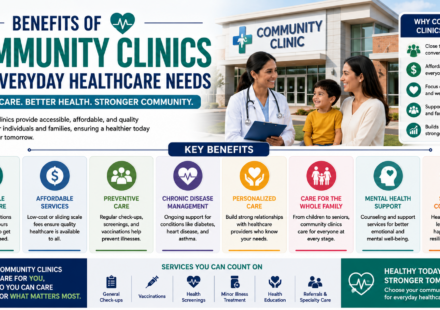
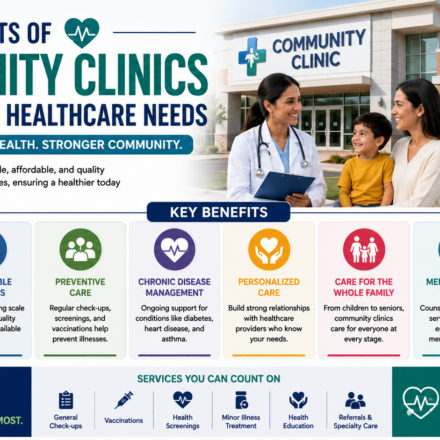
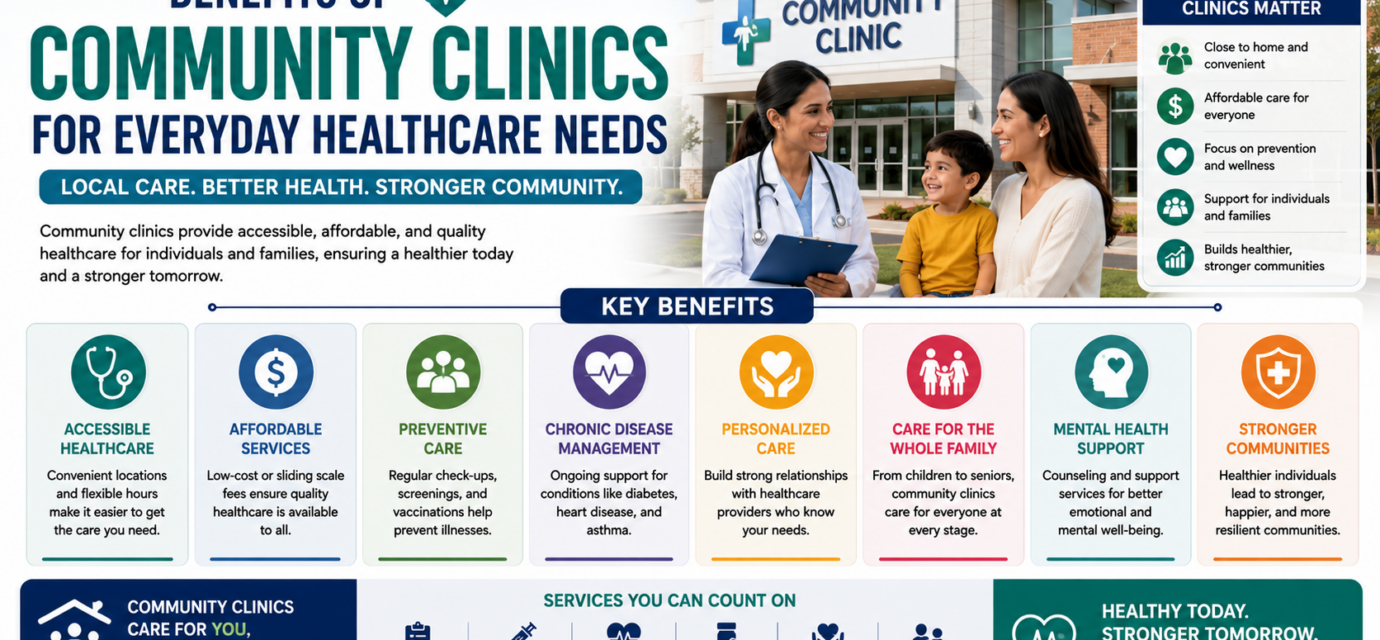
Benefits of Community Clinics for Everyday Healthcare Needs
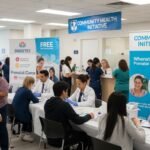
Access to quality healthcare is essential for maintaining overall well-being. For many individuals and families, community clinics play a vital role in providing affordable and convenient healthcare services. These clinics serve local populations by…
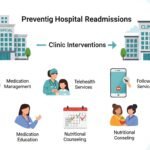
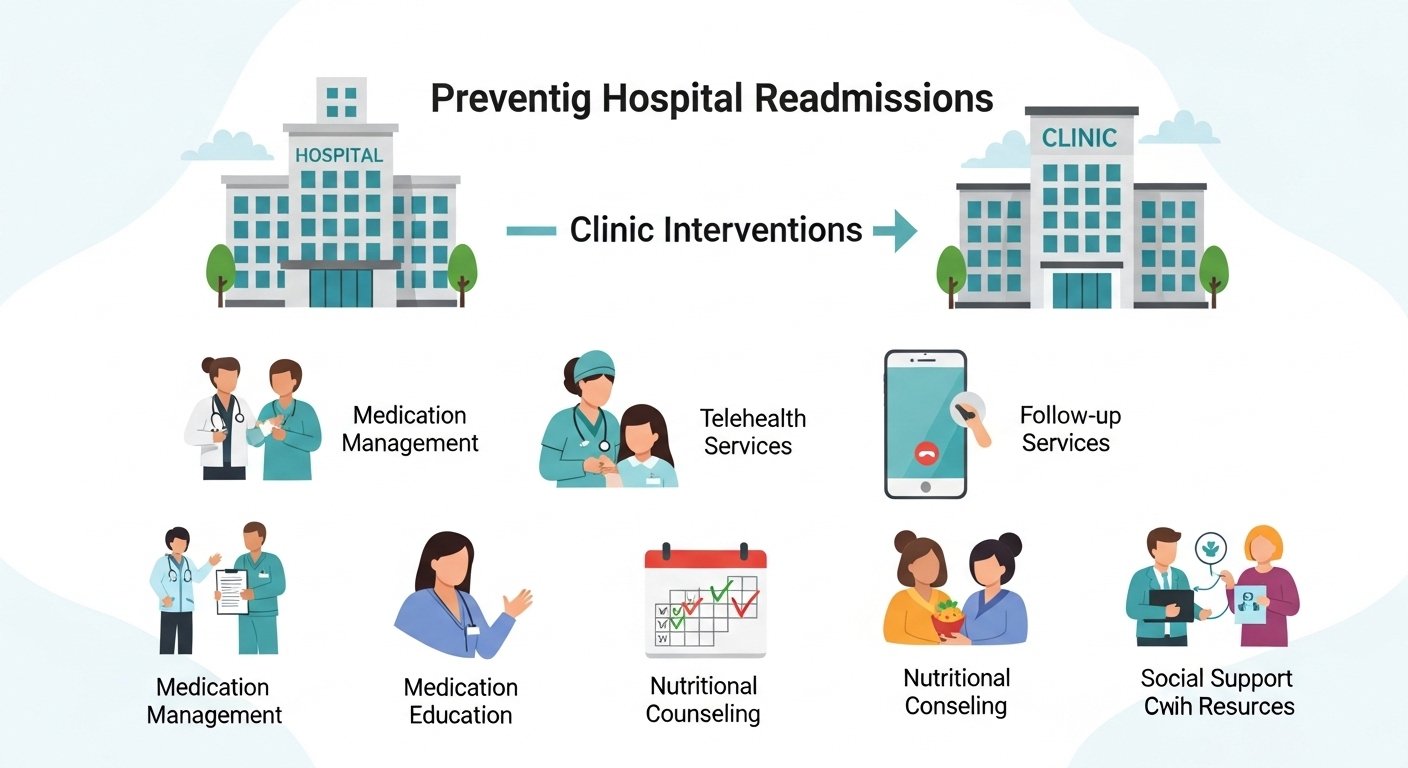
Preventing Hospital Readmission: How Clinics Help
Hospital readmission — returning to the hospital within 30 days of discharge — affects approximately 20% of Medicare patients and represents both a marker of inadequate care transitions and a significant driver of healthcare costs. The Centers for…
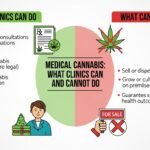
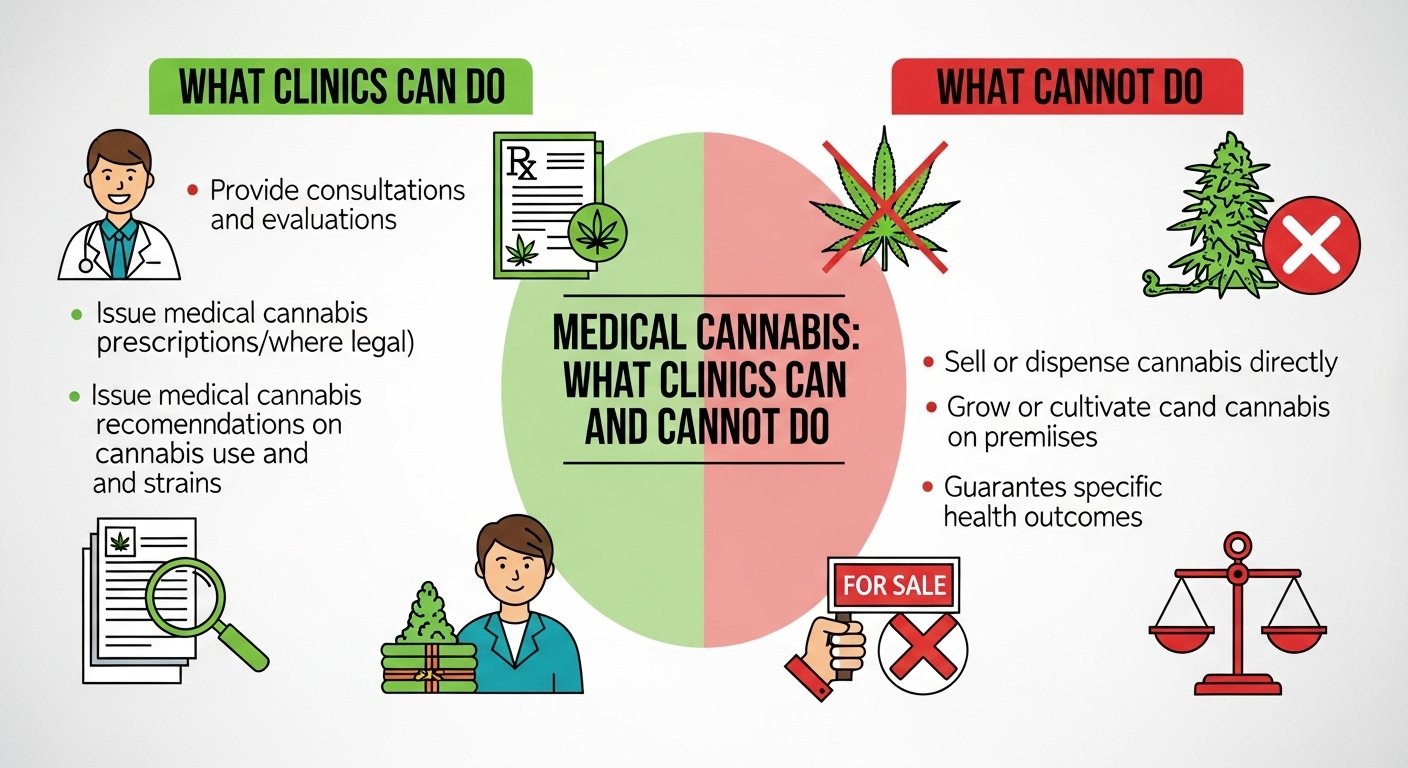
Medical Cannabis: What Clinics Can and Cannot Do
Medical cannabis — the use of cannabis or cannabinoid compounds for medical purposes — has been legalized in some form in most US states, creating a complex landscape for clinicians who simultaneously face patient demand, state laws permitting…
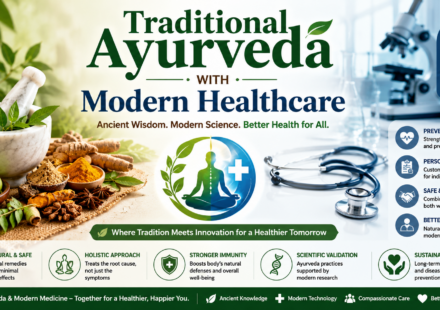
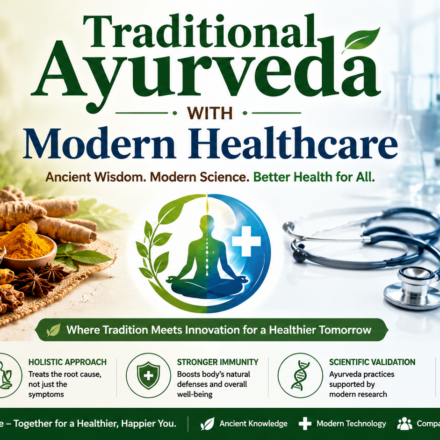
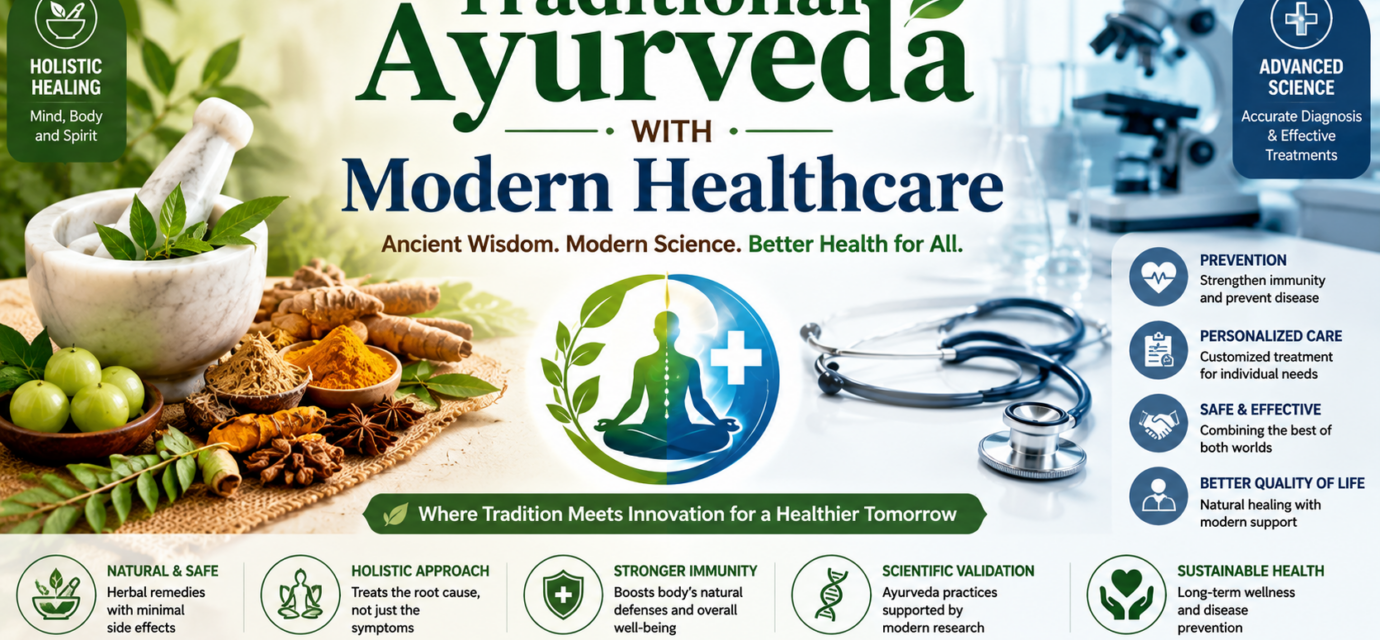
Traditional Ayurveda with Modern Healthcare
Healthcare has evolved significantly over the years, combining advanced medical technologies with patient-centered care to improve overall well-being. Despite the rapid growth of modern medicine, people around the world are increasingly turning toward…
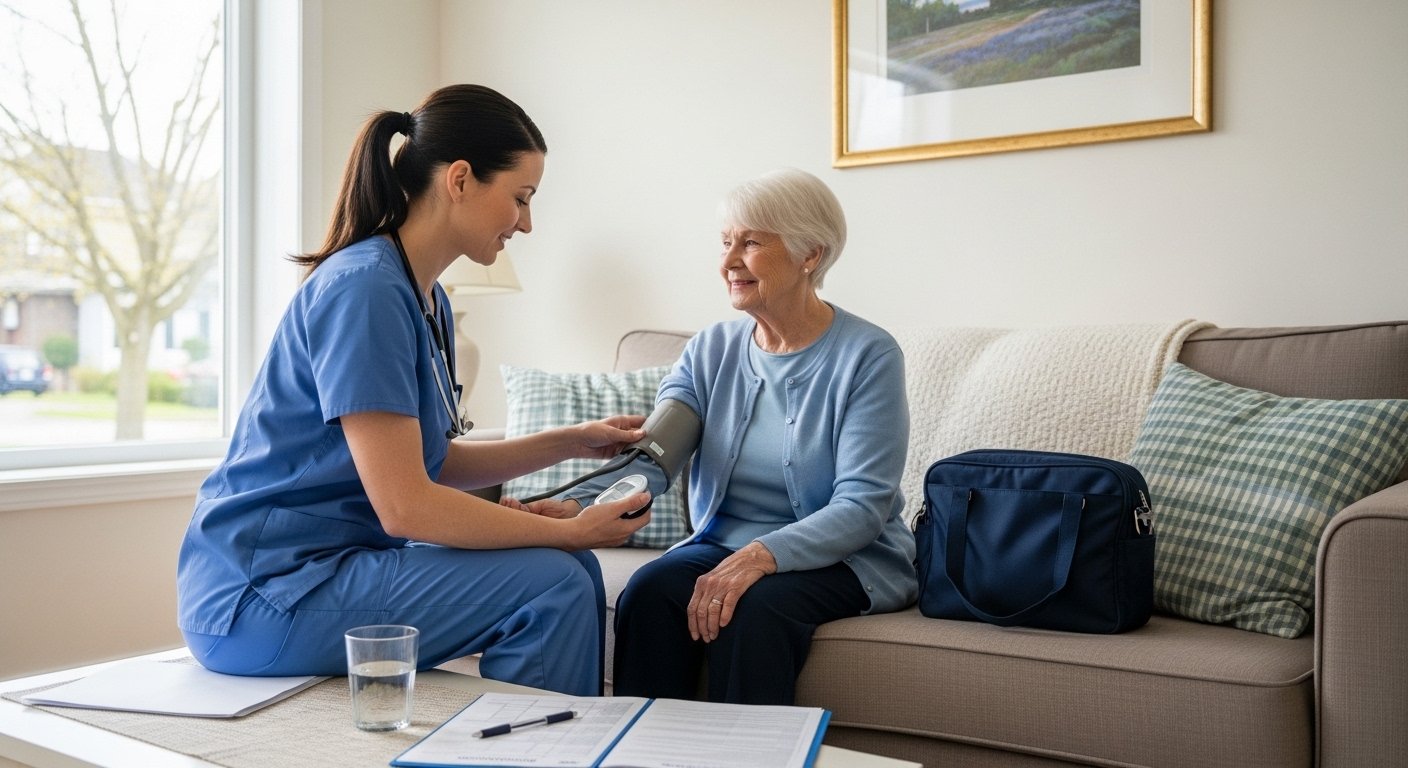
Home Health Visits: When Clinics Arrange In-Home Care

Home health services — skilled nursing, physical therapy, occupational therapy, speech therapy, wound care, and home health aide services delivered to patients in their own homes — bridge the gap between hospital-level intensity and self-managed home…
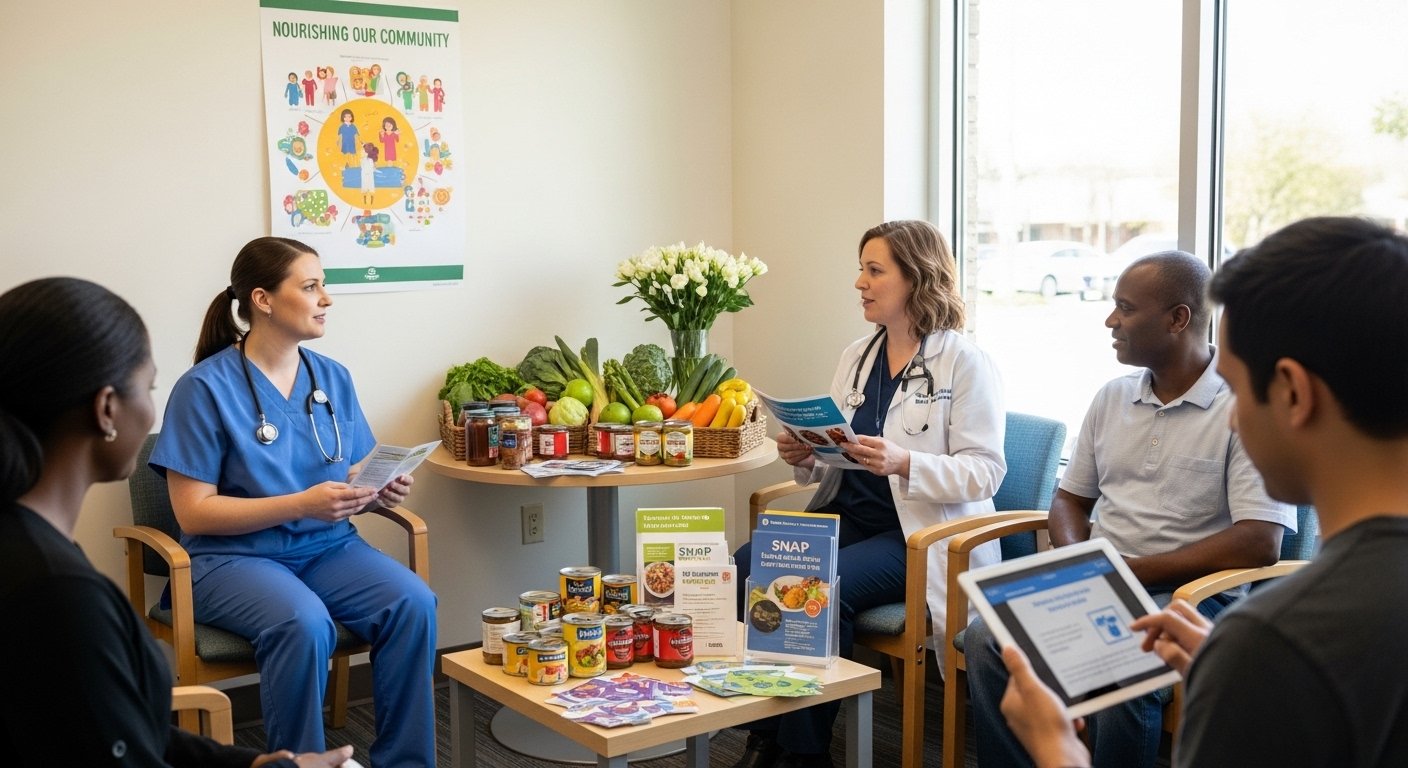
How Clinics Support Patients with Food Insecurity
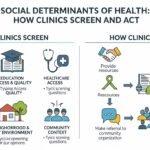
Food insecurity — limited or uncertain access to adequate, nutritious food — affects approximately 13% of American households, representing over 40 million people. It is directly linked to worse management of chronic conditions including diabetes,…
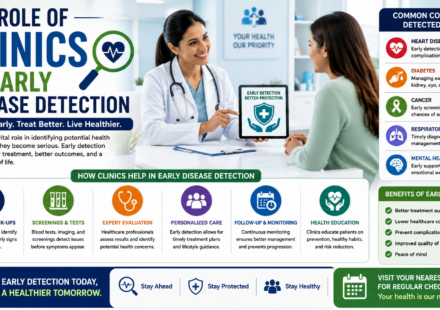
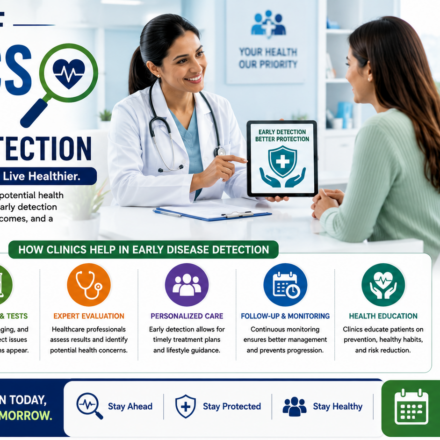
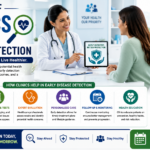
Role of Clinics in Early Disease Detection
Clinics will remain vital to public health in 2026. They are the front-line people the first time a patient goes to a doctor’s office for a check-up, and they can identify health problems at an early stage. From diabetes, high blood pressure,…
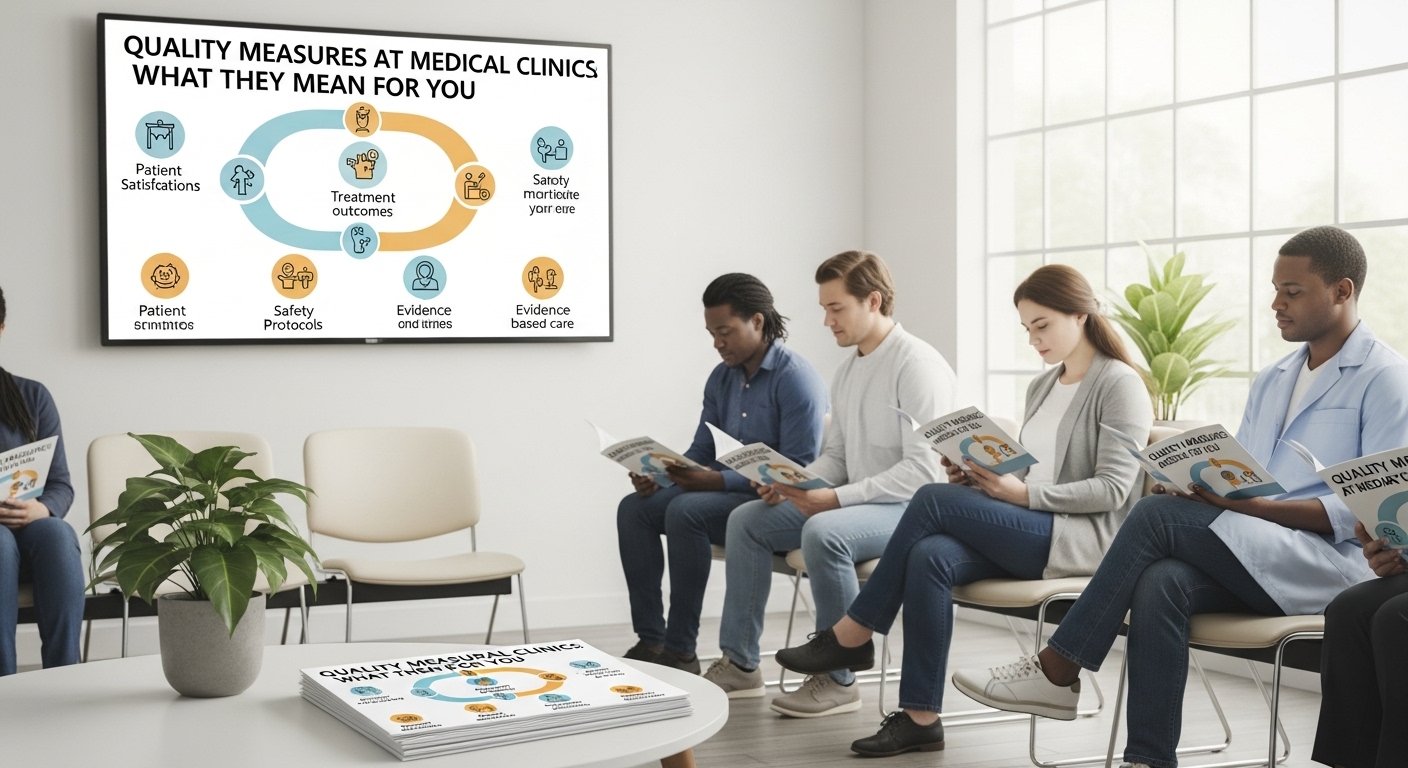
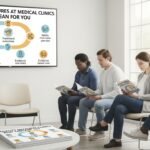
Quality Measures at Medical Clinics: What They Mean for You
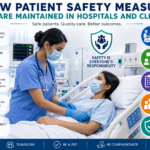
Medical clinics are increasingly measured, monitored, and held accountable for the quality of care they provide through standardized quality measures — quantitative metrics tracking whether patients receive evidence-based preventive services, how well…