







































Preventing Hospital Readmission: How Clinics Help
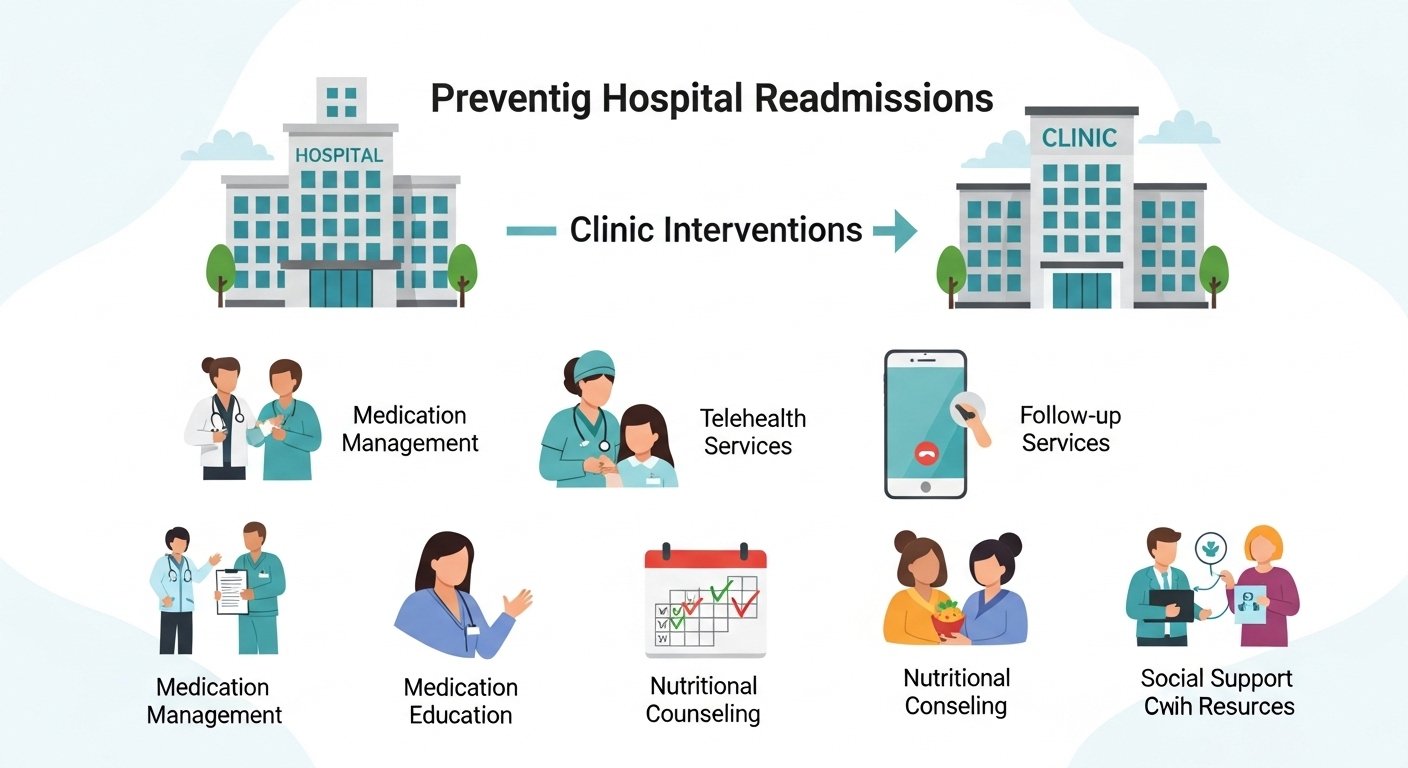
Hospital readmission — returning to the hospital within 30 days of discharge — affects approximately 20% of Medicare patients and represents both a marker of inadequate care transitions and a significant driver of healthcare costs. The Centers for…
Home Health Visits: When Clinics Arrange In-Home Care
Home health services — skilled nursing, physical therapy, occupational therapy, speech therapy, wound care, and home health aide services delivered to patients in their own homes — bridge the gap between hospital-level intensity and self-managed home…
How Clinics Support Patients with Food Insecurity
Food insecurity — limited or uncertain access to adequate, nutritious food — affects approximately 13% of American households, representing over 40 million people. It is directly linked to worse management of chronic conditions including diabetes,…
Quality Measures at Medical Clinics: What They Mean for You
Medical clinics are increasingly measured, monitored, and held accountable for the quality of care they provide through standardized quality measures — quantitative metrics tracking whether patients receive evidence-based preventive services, how well…
Benzodiazepines: What Clinics Know About Their Risks
Benzodiazepines — a class of medications including alprazolam (Xanax), clonazepam (Klonopin), diazepam (Valium), and lorazepam (Ativan) — enhance the effect of GABA (the brain’s primary inhibitory neurotransmitter) to produce sedation, anxiolysis,…
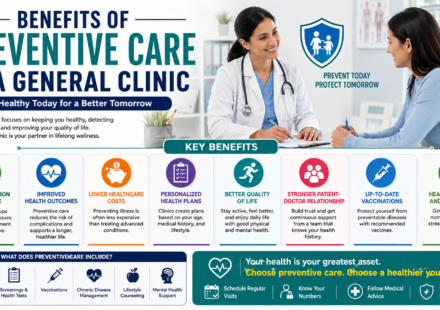
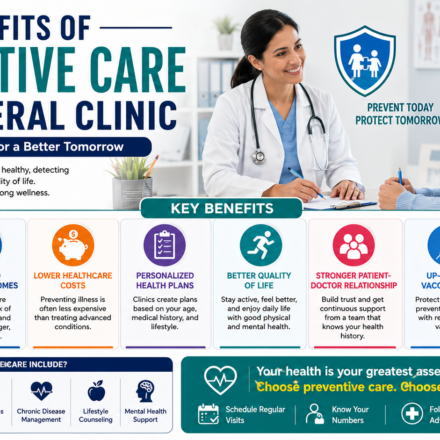
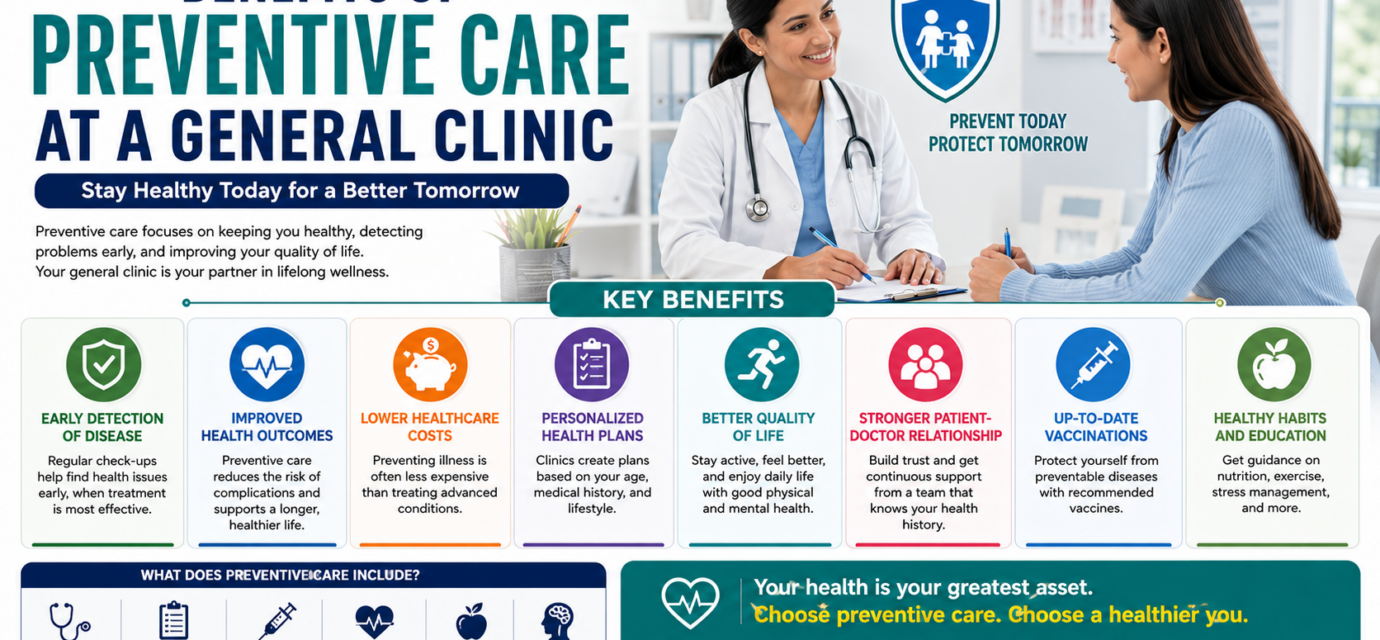
Benefits of Preventive Care at a General Clinic
Preventive care is one of the most effective ways to maintain good health and reduce the risk of serious illnesses. Many people visit a clinic only when they are sick, but regular preventive care can identify health issues early and improve overall…

Opioid Prescribing at a Medical Clinic: Current Guidelines
The opioid crisis — fueled by over-prescribing of opioid medications in the 1990s and 2000s — killed over 80,000 Americans in 2021 alone and has fundamentally transformed how medical clinics approach pain management. The CDC’s Clinical Practice…
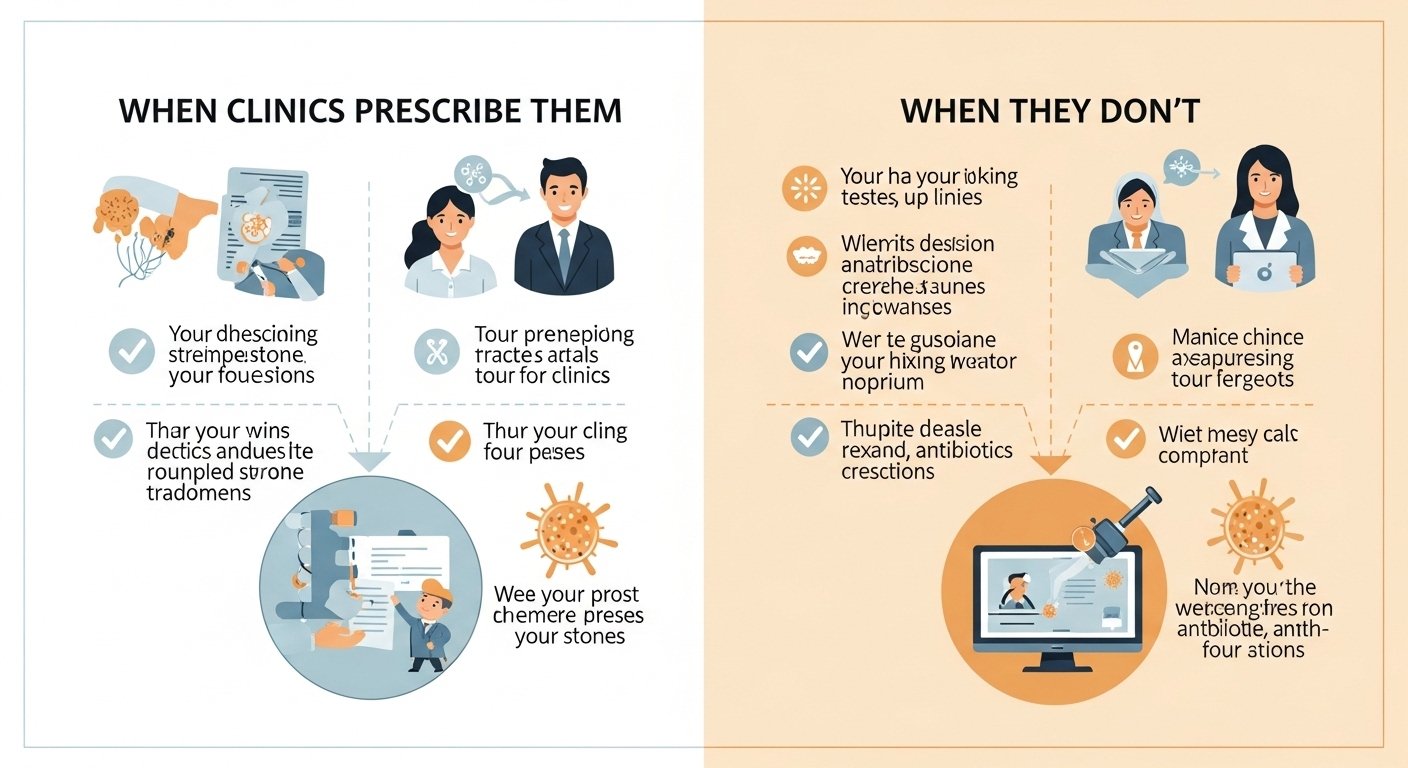
Antibiotics: When Clinics Prescribe Them and When They Don’t
Antibiotics — among the most important medical advances of the 20th century — are also among the most overused and misused medications, contributing to the global antibiotic resistance crisis that threatens to undermine modern medicine’s ability to…
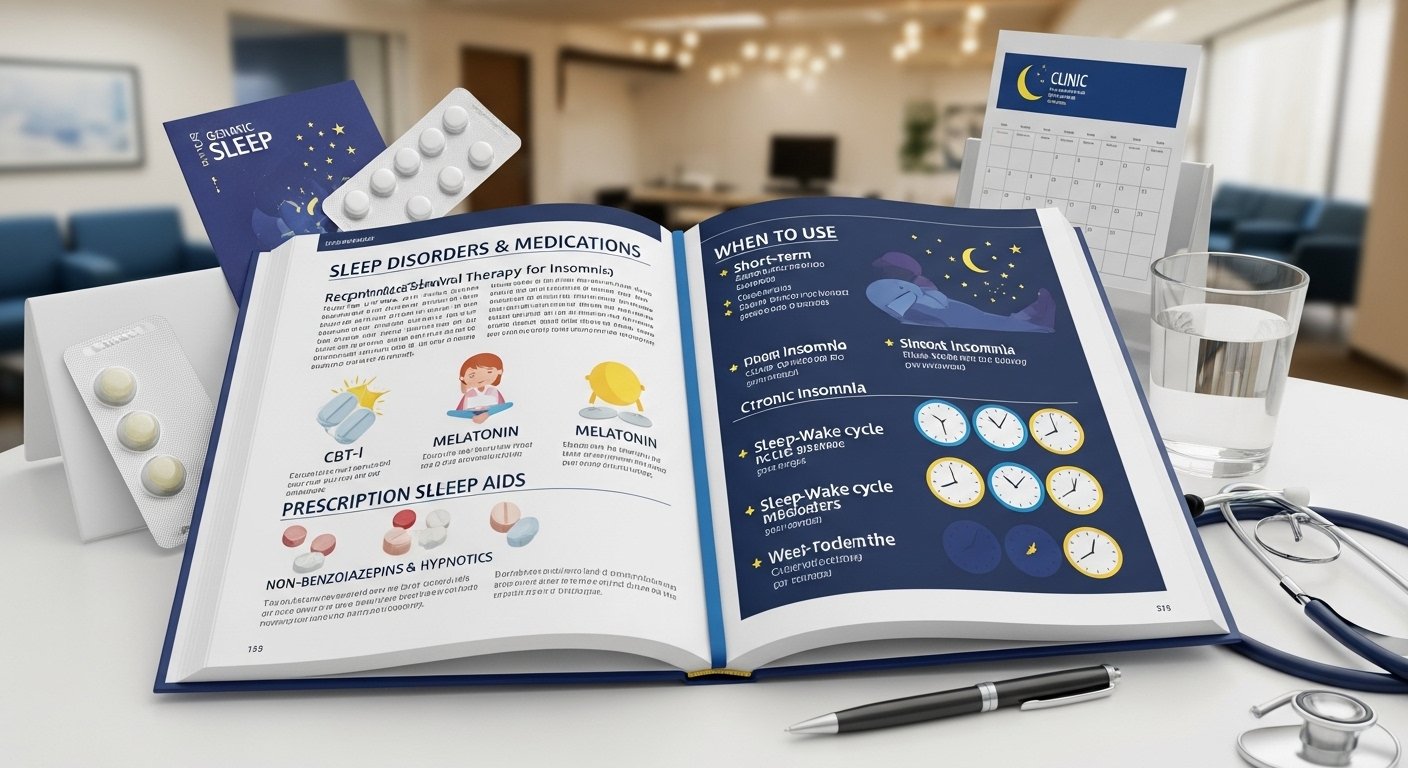
Sleep Medications: What Clinics Recommend and When
Insomnia — defined as difficulty initiating or maintaining sleep, or non-restorative sleep, occurring at least three nights per week for at least three months — affects approximately 10–30% of adults and is one of the most common complaints in primary…
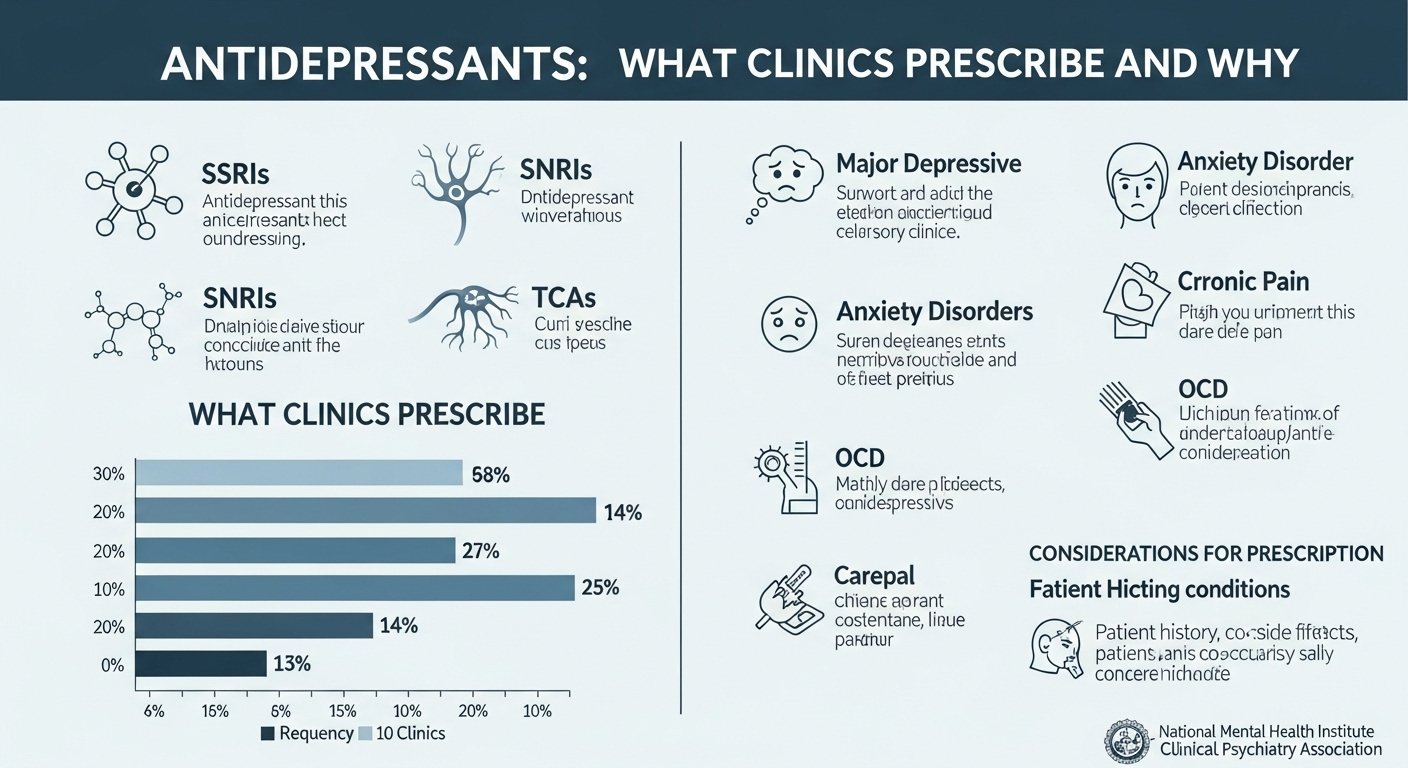
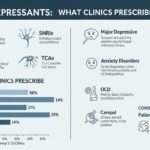
Antidepressants: What Clinics Prescribe and Why
Antidepressants are among the most commonly prescribed medications in the United States — used not just for depression but for anxiety disorders, OCD, PTSD, chronic pain, and several other conditions. Despite their widespread use, antidepressants remain…