

























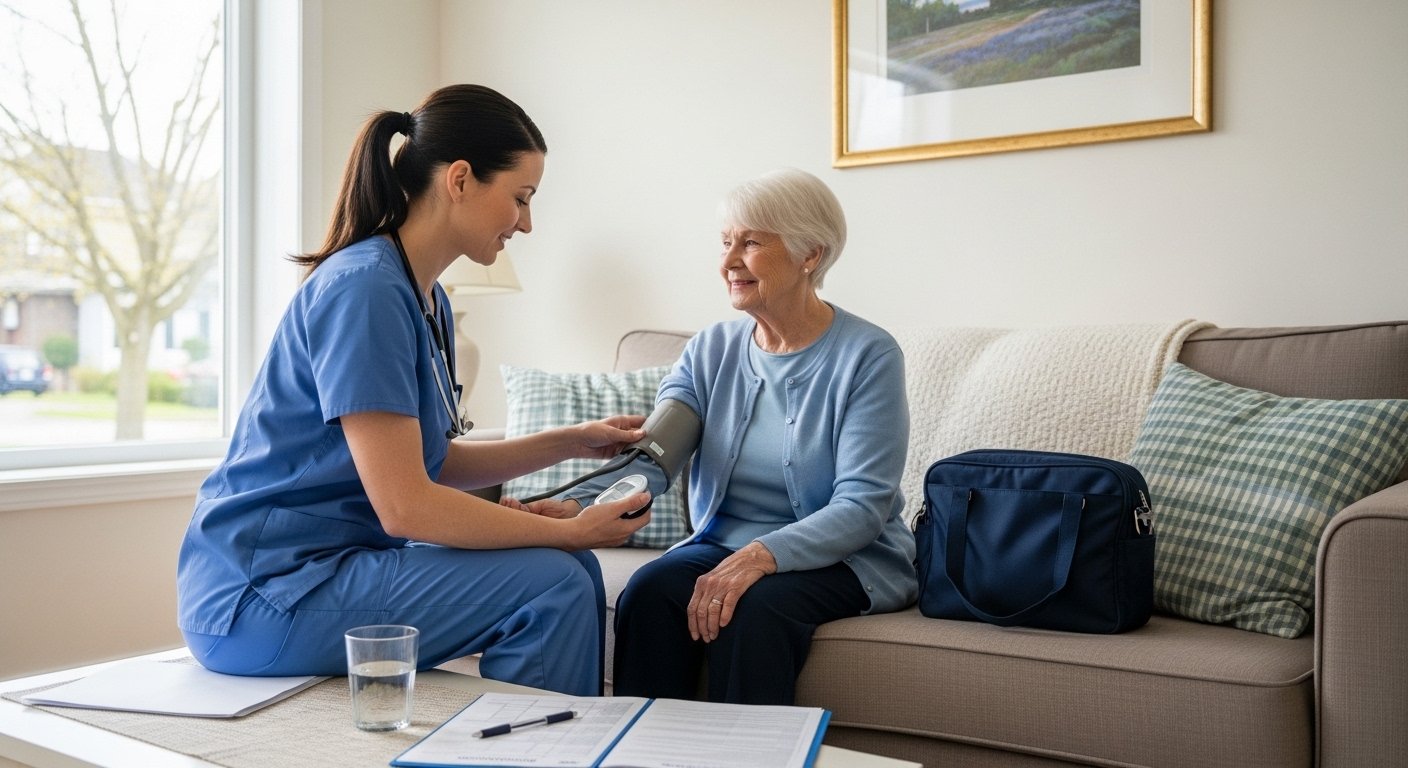


Home Health Visits: When Clinics Arrange In-Home Care
Home health services — skilled nursing, physical therapy, occupational therapy, speech therapy, wound care, and home health aide services delivered to patients in their own homes — bridge the gap between hospital-level intensity and self-managed home…
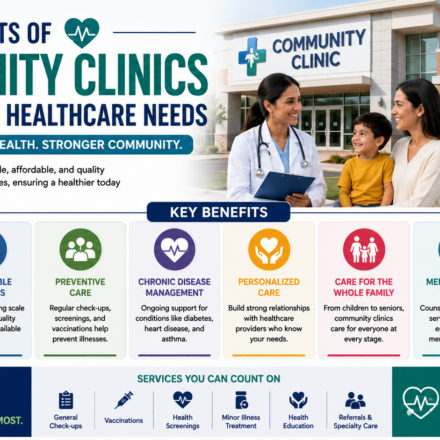
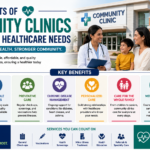
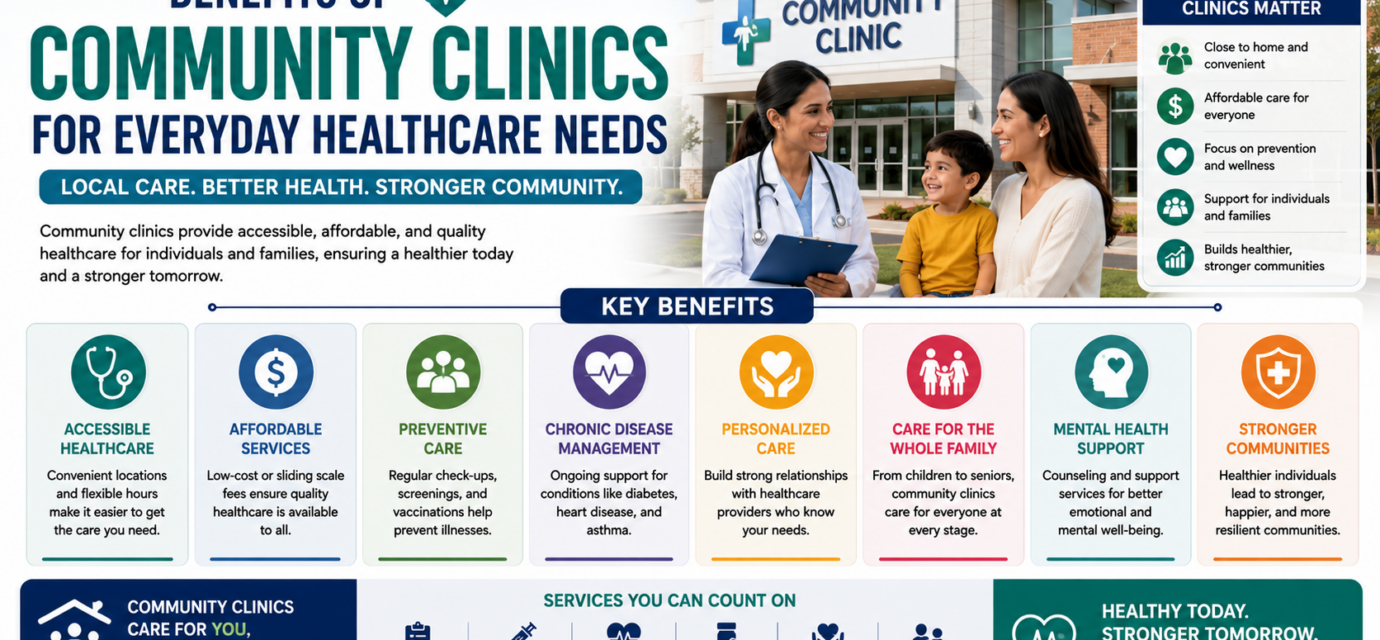
Benefits of Community Clinics for Everyday Healthcare Needs
Access to quality healthcare is essential for maintaining overall well-being. For many individuals and families, community clinics play a vital role in providing affordable and convenient healthcare services. These clinics serve local populations by…
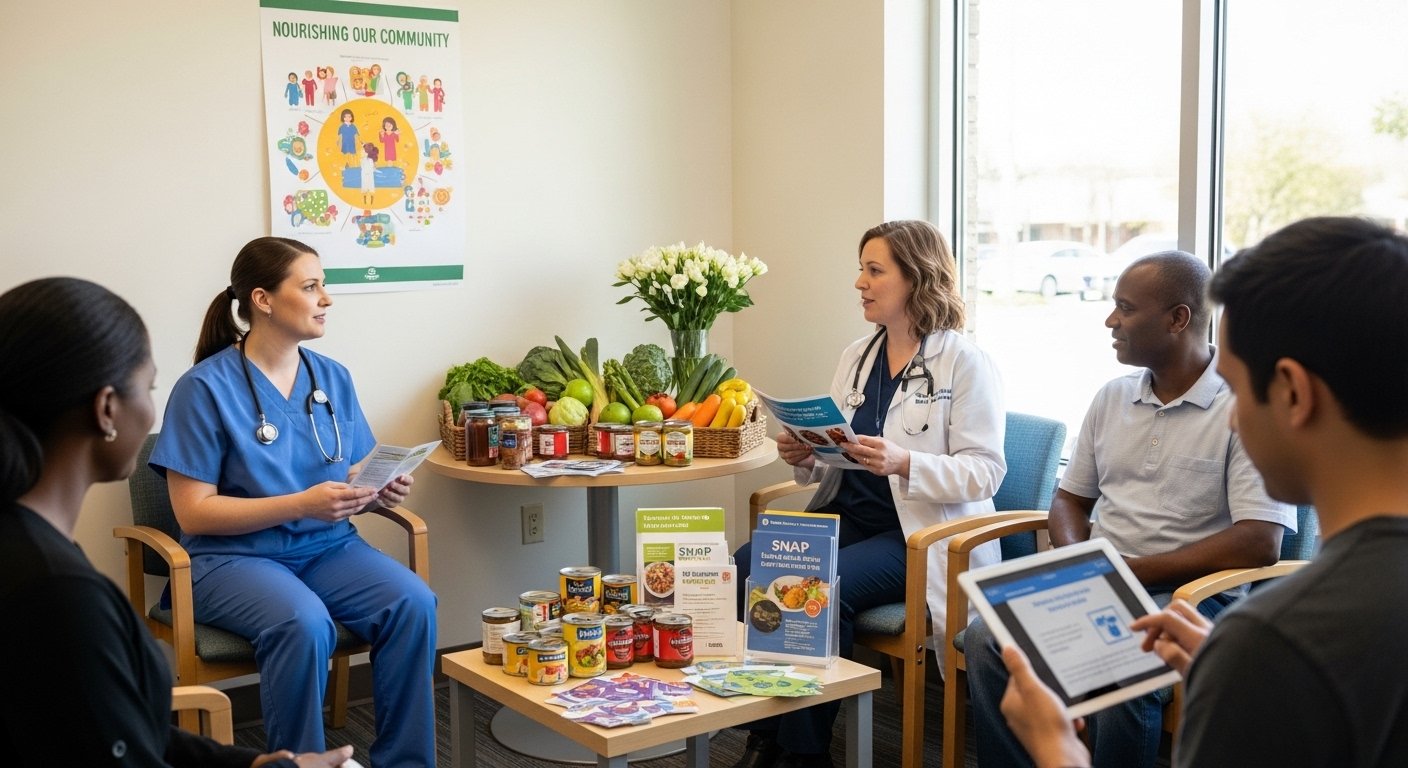
How Clinics Support Patients with Food Insecurity
Food insecurity — limited or uncertain access to adequate, nutritious food — affects approximately 13% of American households, representing over 40 million people. It is directly linked to worse management of chronic conditions including diabetes,…
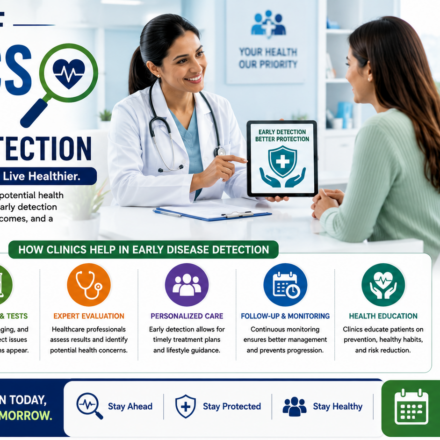
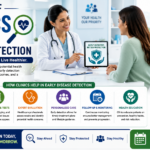
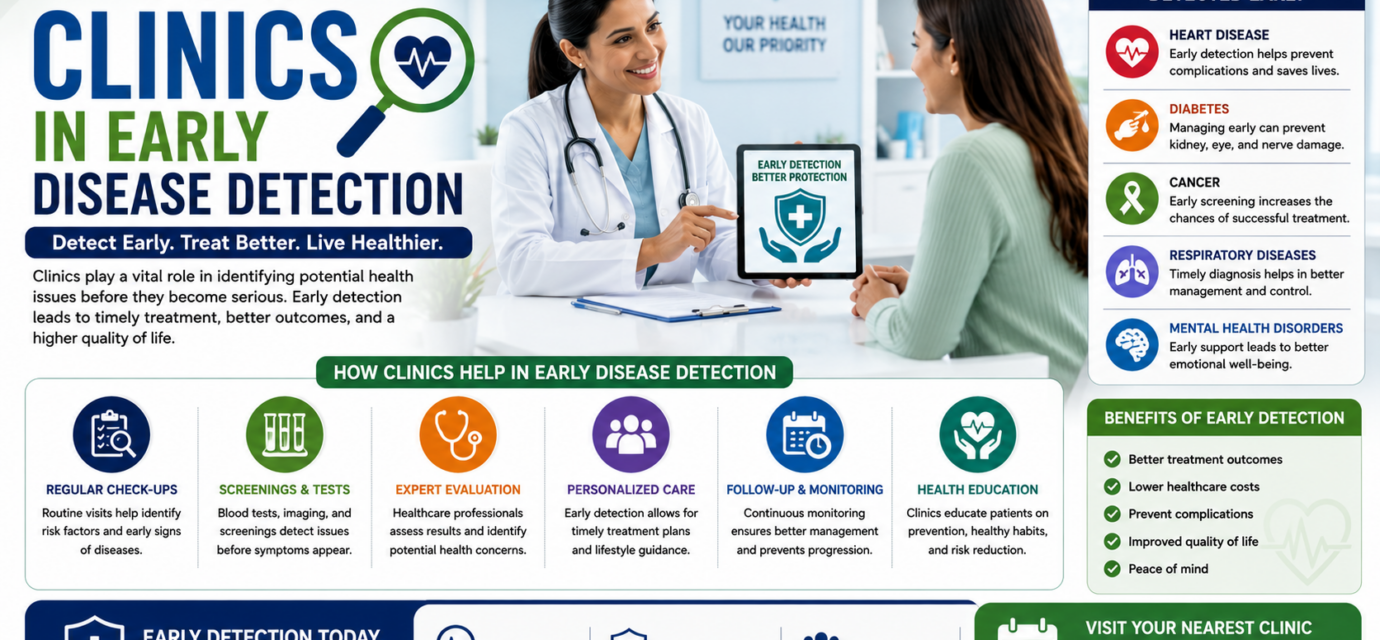
Role of Clinics in Early Disease Detection
Clinics will remain vital to public health in 2026. They are the front-line people the first time a patient goes to a doctor’s office for a check-up, and they can identify health problems at an early stage. From diabetes, high blood pressure,…
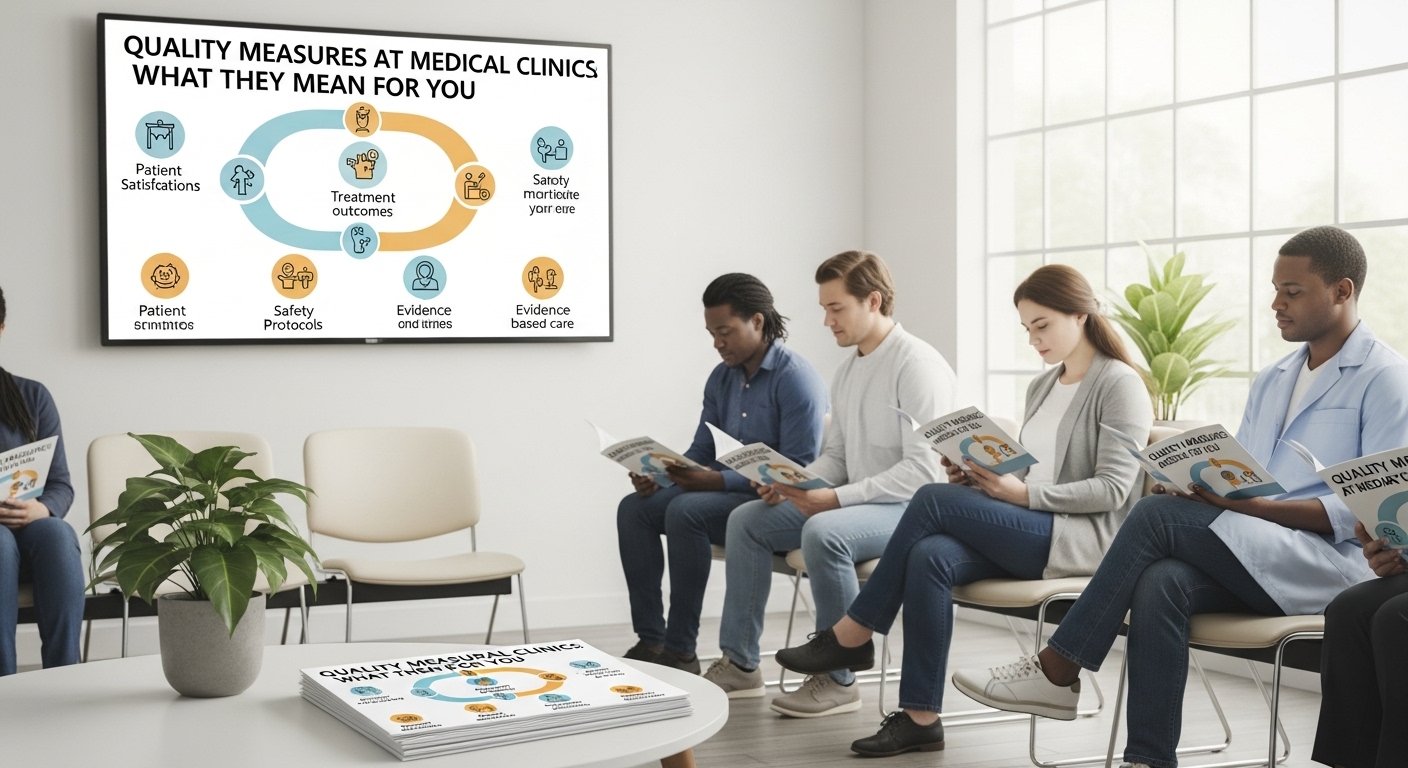
Quality Measures at Medical Clinics: What They Mean for You
Medical clinics are increasingly measured, monitored, and held accountable for the quality of care they provide through standardized quality measures — quantitative metrics tracking whether patients receive evidence-based preventive services, how well…
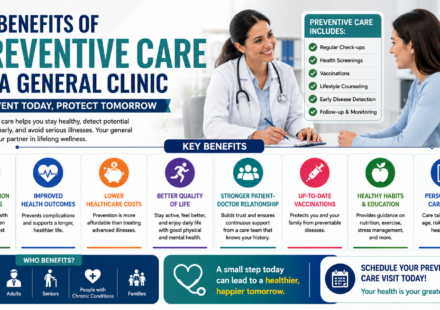
What to Expect During Your First Visit to a Clinic
Visiting a clinic for the first time can feel a little confusing or even stressful, especially if you are unsure about the process. Whether you are going for a regular health checkup, a specific illness, or a consultation, knowing what to expect can make…

Benzodiazepines: What Clinics Know About Their Risks
Benzodiazepines — a class of medications including alprazolam (Xanax), clonazepam (Klonopin), diazepam (Valium), and lorazepam (Ativan) — enhance the effect of GABA (the brain’s primary inhibitory neurotransmitter) to produce sedation, anxiolysis,…
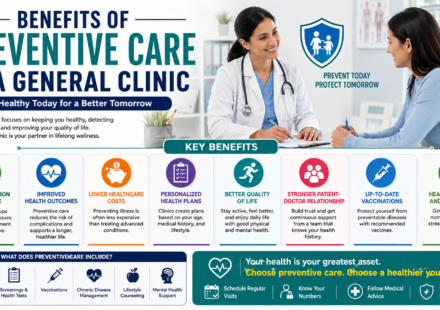
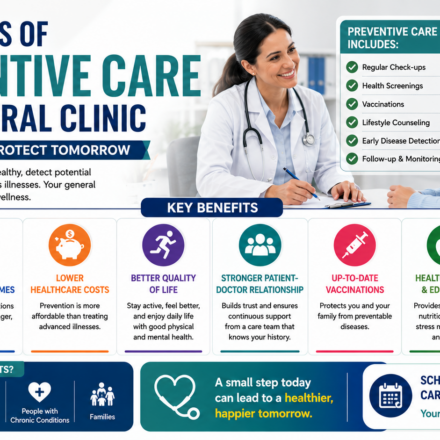
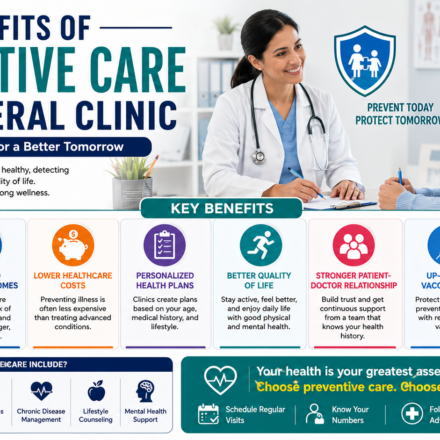
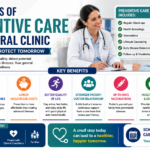
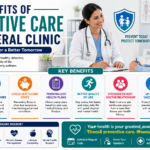
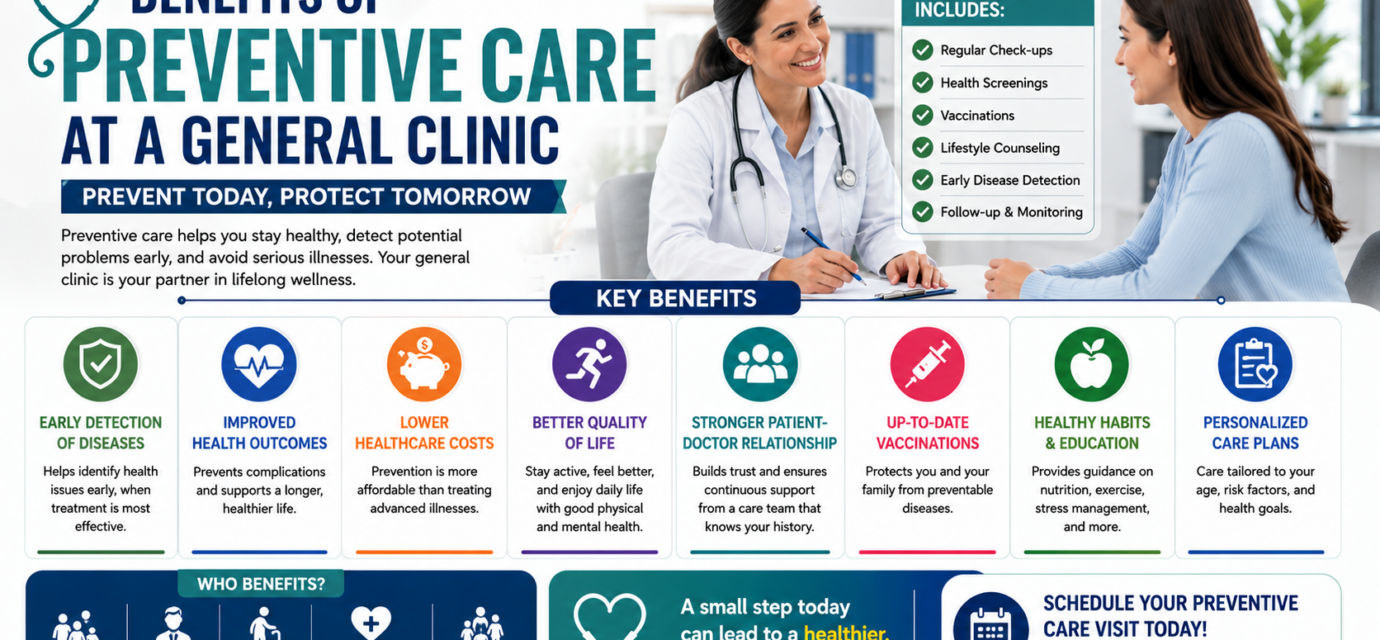
Benefits of Preventive Care at a General Clinic

Preventive care is one of the most effective ways to maintain good health and reduce the risk of serious illnesses. Many people visit a clinic only when they are sick, but regular preventive care can identify health issues early and improve overall…
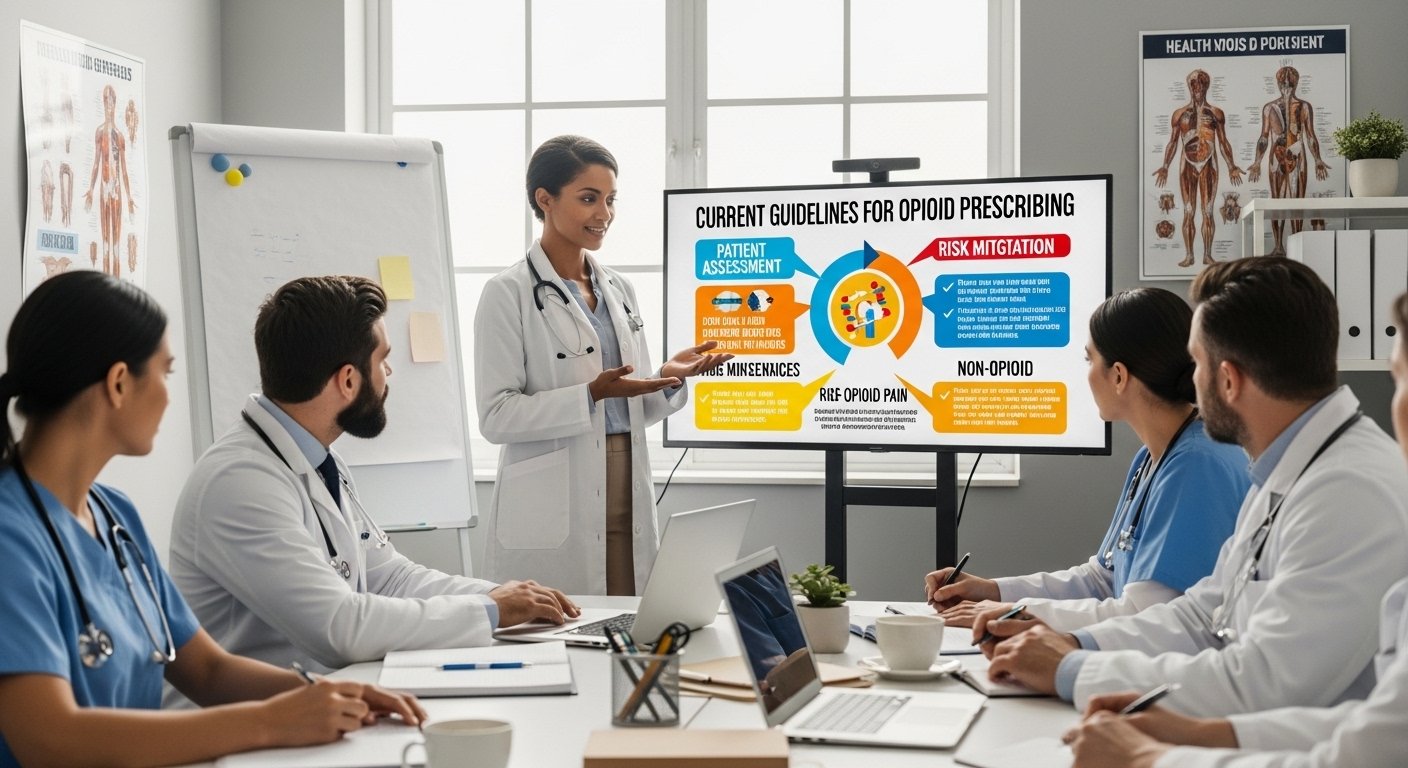
Opioid Prescribing at a Medical Clinic: Current Guidelines
The opioid crisis — fueled by over-prescribing of opioid medications in the 1990s and 2000s — killed over 80,000 Americans in 2021 alone and has fundamentally transformed how medical clinics approach pain management. The CDC’s Clinical Practice…
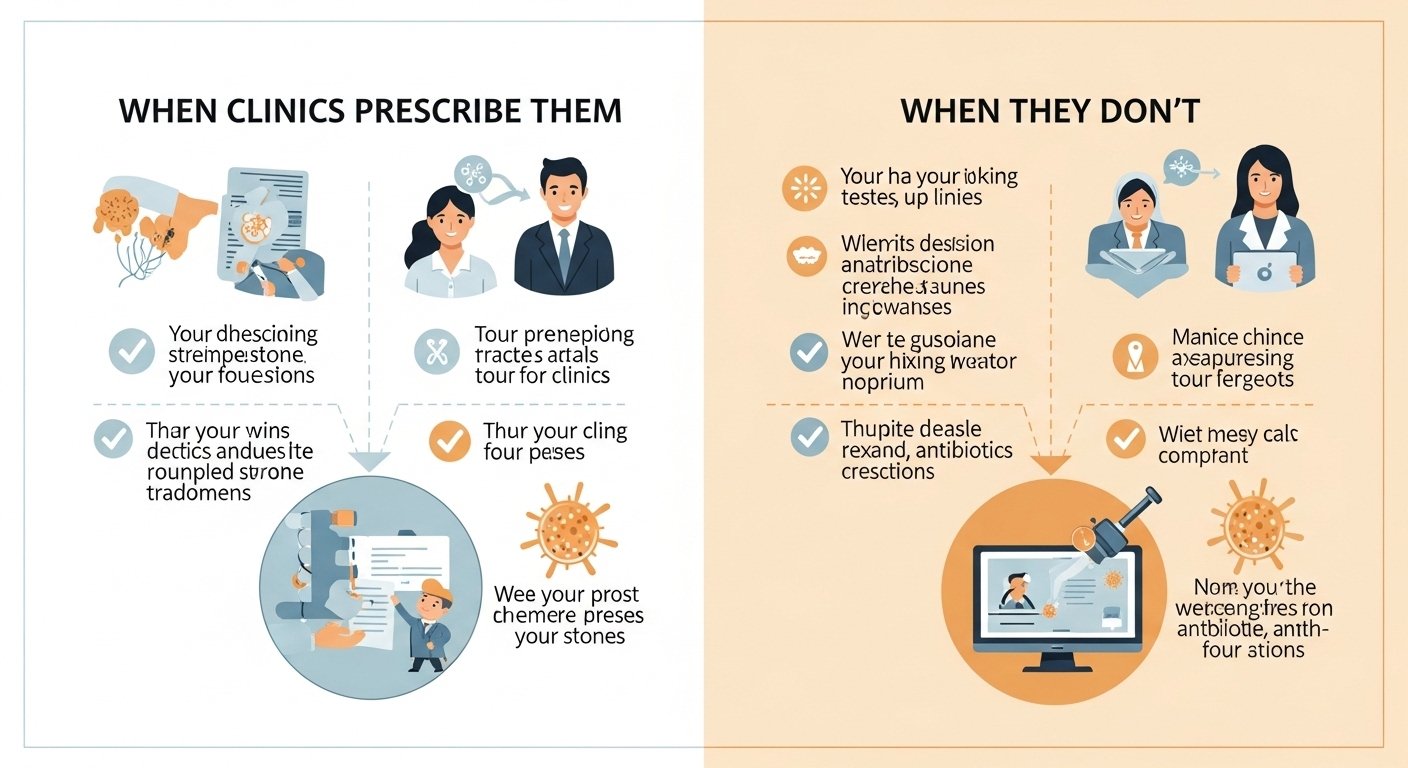
Antibiotics: When Clinics Prescribe Them and When They Don’t
Antibiotics — among the most important medical advances of the 20th century — are also among the most overused and misused medications, contributing to the global antibiotic resistance crisis that threatens to undermine modern medicine’s ability to…